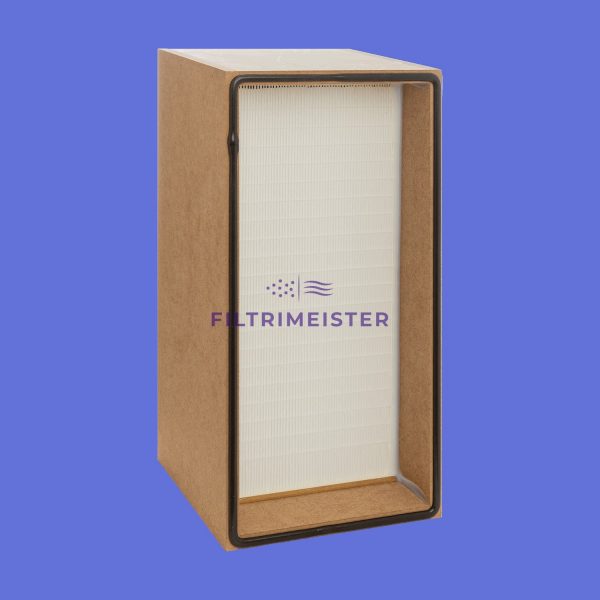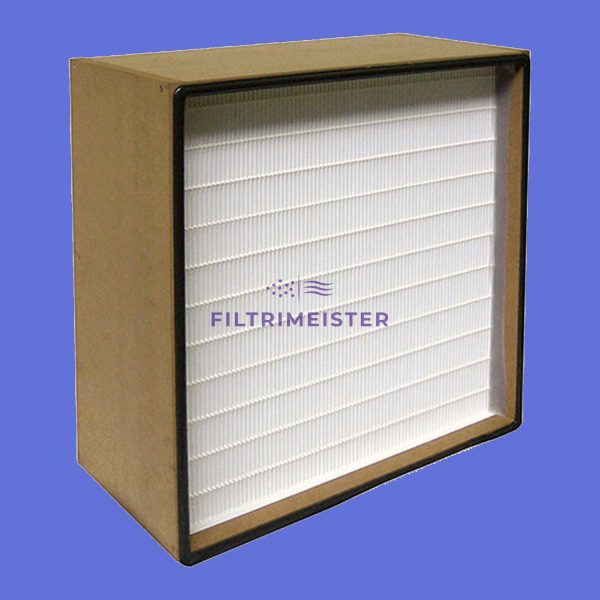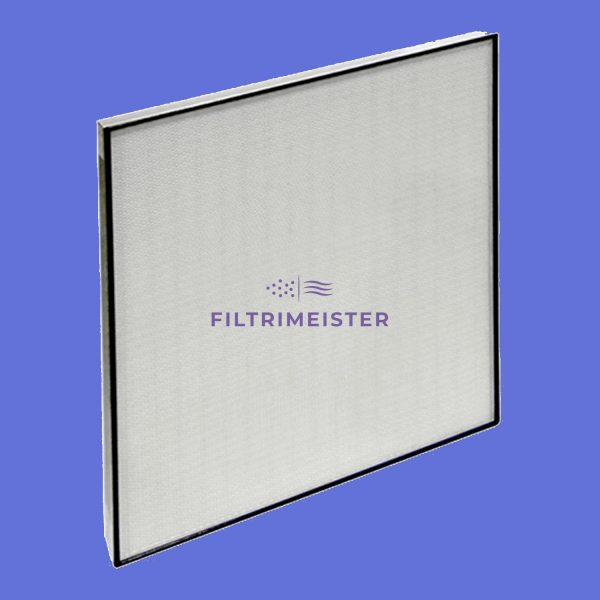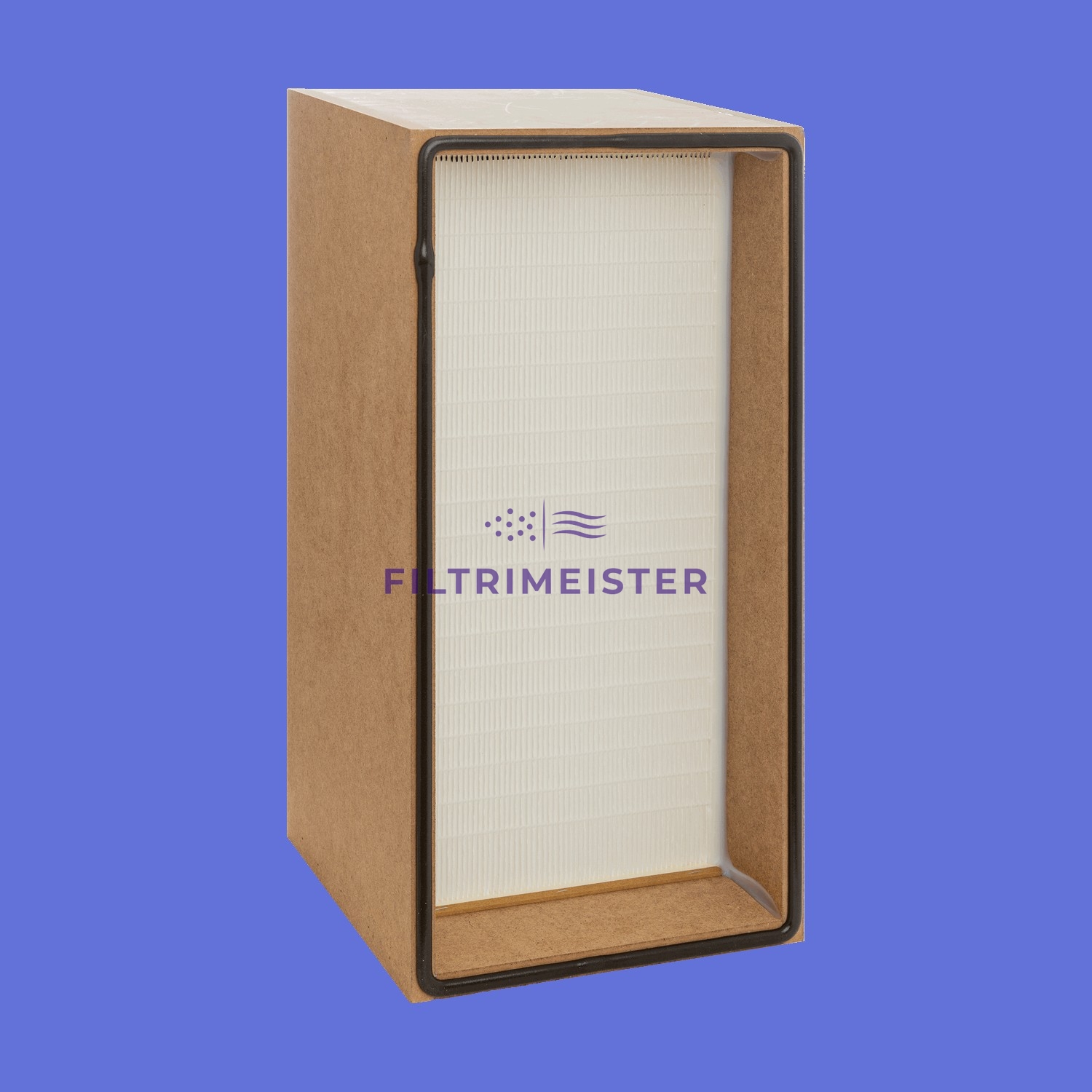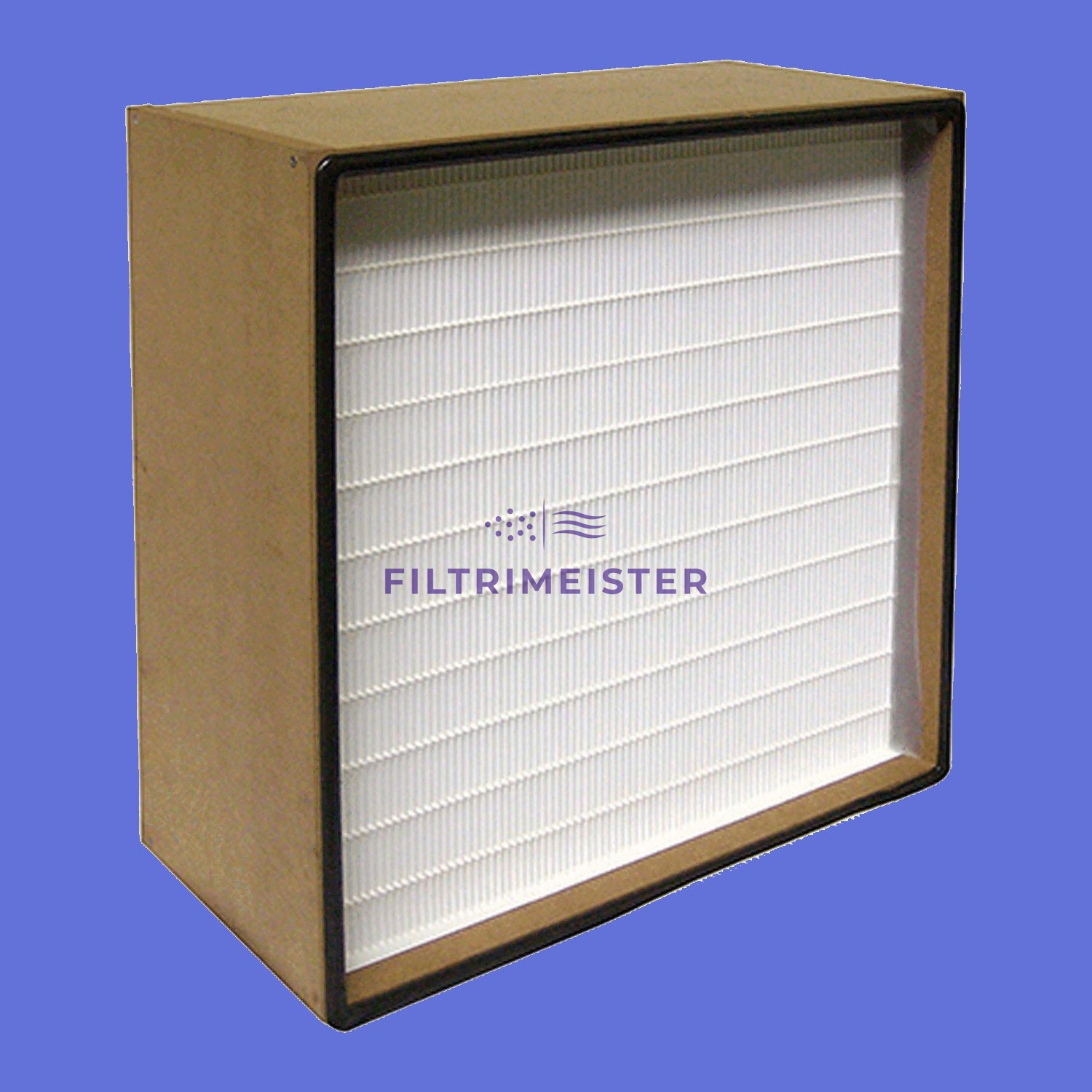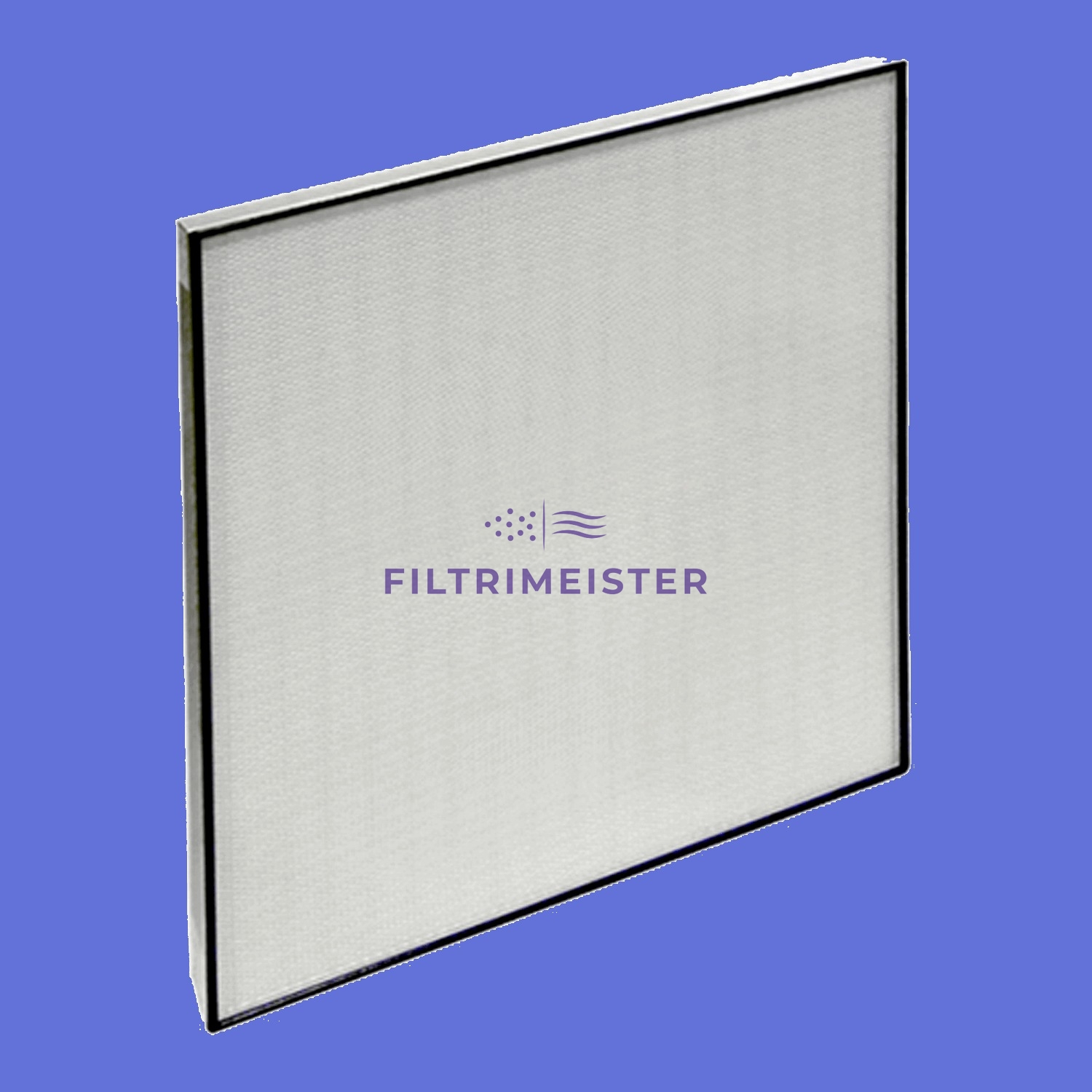


High-efficiency EPA / HEPA filters can be used in air supply and exhaust systems in medical facilities, laboratories, the food industry, and other sensitive areas where the requirements for clean air are highest. High-performance EPA / HEPA filters are based on a revolutionary design of filtration materials consisting of an improved blend of borosilicate microfibers and synthetic fibers. The component materials of the element make these filters particularly durable and ensure the absolute efficiency of the filters even in trapping microscopic virus particles. The innovative designs of efficient EPA / HEPA filters provide a structure that is twice as strong as conventional corresponding filters. The strong structure protects the filters from the risk of accidental damage during handling and ensures the overall reliability of the filters.
Hi-Flow EPA / HEPA filters with high air permeability are used in the air supply systems of the nuclear sector, gas turbines, and electrical systems, as well as in other sensitive areas with extremely harsh environments, where the requirements for clean air are the highest. Absolute filters ensure the highest level of air quality. The filtration class of HEPA filters is from EU 10 class to EU 14 and from EU 15 class to EU 17. These filters are called ULPA filters. Such filters can prevent particles, aerosols, fine toxic dust, viruses, bacteria, etc. from entering rooms where air quality must be as good as possible. The innovative designs of the high-efficiency Hi-Flow EPA / HEPA filters ensure a significantly increased clean filtration area and significantly higher airflow resistance.